Non-invasive plumbing leak detection. We pinpoint hidden water leaks under floors, walls, and slabs using acoustic and thermal equipment — no digging, no guesswork.
A hidden plumbing leak is the kind of problem that gets worse the longer it sits. The water bill creeps up. A warm spot appears in a hallway. A patch of drywall starts to discolor. By the time you can see the damage, the leak has often been running for weeks or months — and the cost of repair has multiplied.
RGC Leak Detection finds these leaks before they tear up your home. Our process is non-invasive, methodical, and confirmed before anyone picks up a tool. We use the same electronic equipment that municipal water departments and large insurance carriers rely on — and we narrow the leak's location down to within inches.
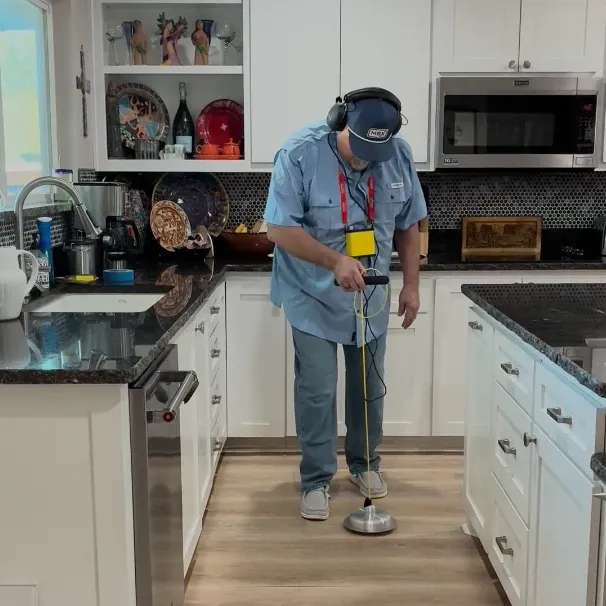
Most homeowners hear "leak detection" and picture a plumber tapping on pipes with a wrench. The real process is closer to a medical diagnostic — a sequence of tests that confirm where water is moving when it shouldn't be.
A typical inspection includes:
Each method has limits. The skill is knowing which tool to reach for first, and how to confirm a reading before calling a leak found.
If two or more of these are happening, you have a leak. The question is where.
Once we pinpoint your leak, you get a written report with the exact leak location, photos where applicable, and a clear repair scope. Hand it to your plumber, or we can suggest a vetted plumber. You can also choose RGC's Construction Management service if you want the repair managed end-to-end.
If you already have a plumber you prefer to work with, we hand the report directly to them. Either way, you stay in the loop and you're never managing two companies.
If you're dealing with mystery water somewhere in your home, the next step is a phone call. Most leaks can be located in a single visit.
If something’s not covered here, call. The phone consult is the same five minutes whether you book a job or not.
Within a few inches on most pressurized supply lines. The acoustic gear picks up the high-frequency sound water makes when it escapes the pipe wall, and we cross-reference the signal across multiple sensor positions. Thermal imaging confirms when hot-water lines are involved.
No. The whole point of acoustic detection is that it's non-invasive. We listen through finished surfaces and confirm with thermal — the only thing we cut into is the time you'd have lost guessing.
Most jobs wrap up in two hours from the time Ralph arrives, including the walkthrough, acoustic sweep, thermal confirmation, marking the spot, and writing the report. Larger properties or trickier leaks can run longer; you'll know upfront.
No, a leak only makes acoustic noise when water is moving through it. We do most of the work with the system pressurized; if the leak is intermittent, we may run controlled pressurization tests during the visit to bring the signature out.
If someone is on-site during the inspection, they must be 18 years of age or older to grant access and walk through what we're seeing. We prefer to have you (or another adult representative) there for the start and the handoff. If no one can be there, we'll work with whoever is coordinating the visit.
Tell us what you're seeing. Five-minute call, flat estimate, same-week scheduling. If RGC isn't the right fit, Ralph will tell you straight.
Voicemail? Ralph calls back the same day.
Tell us what you're seeing. We'll text or call back within the hour.